

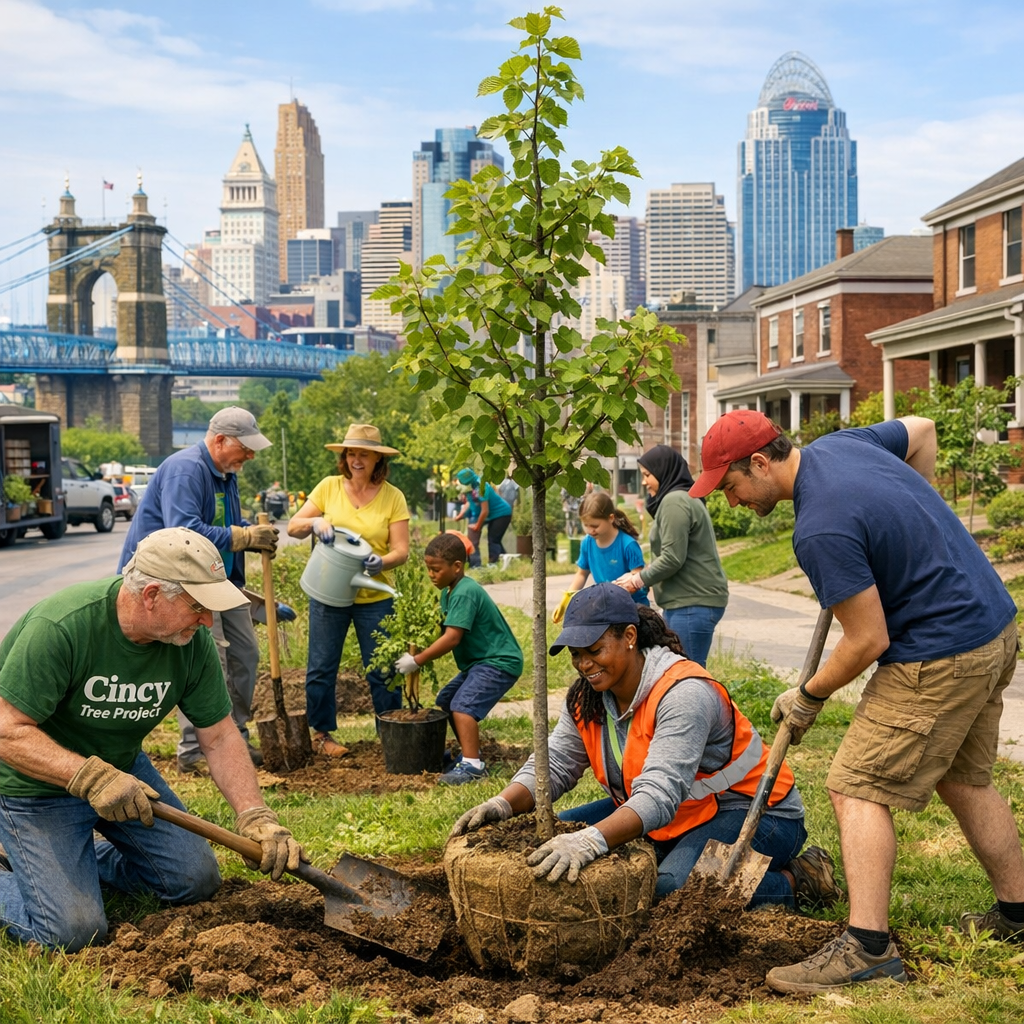
Cincinnati is actively addressing the multifaceted challenges posed by climate change, focusing on enhancing community resilience and environmental sustainability.
Understanding Local Climate Impacts
While Cincinnati is not directly affected by rising sea levels or hurricanes, the city faces significant challenges due to increasing temperatures and more frequent severe storms. Historically, Cincinnati experienced about 30 days annually with a heat index over 90°F. Projections indicate this could rise to 79 days by mid-century. Additionally, annual precipitation in the Midwest has increased by 5-10% since 1950, leading to more intense and frequent storms. These changes have profound implications for public health, infrastructure, and local ecosystems.
Health and Infrastructure Concerns
The rise in dangerously hot days is expected to increase heat-related illnesses, such as heat stroke and aggravated respiratory conditions. Moreover, extreme weather events can strain healthcare facilities and disrupt essential services. Infrastructure is also at risk; for instance, heavy rainfall has led to hillside instability along Columbia Parkway, necessitating significant stabilization projects. The city’s combined storm-sewer system, not designed for such extreme weather, often overflows during heavy rains, releasing untreated sewage into waterways.
Proactive Environmental Initiatives
In response to these challenges, Cincinnati has implemented several initiatives:
- Green Cincinnati Plan: This comprehensive strategy aims to reduce climate change impacts, promote economic growth, and enhance residents’ quality of life. It emphasizes actions like removing invasive species, restoring natural habitats, and increasing green infrastructure to manage stormwater effectively.
- Climate Migration Readiness Plan: Recognizing that climate change may drive migration to areas like Cincinnati, this plan outlines strategies to accommodate potential newcomers while ensuring the city’s infrastructure and services remain robust.
- Community Engagement: Programs like the Youth Environmental Council and partnerships with organizations such as Groundwork Ohio River Valley empower residents, especially youth, to participate in environmental decision-making and action.
Collaborative Efforts for a Sustainable Future
Organizations like Keep Cincinnati Beautiful and the Cincinnati Parks Foundation are instrumental in fostering community involvement. Initiatives such as the “Let’s Grow Local” program bring together volunteers to plant trees, clean up neighborhoods, and implement green infrastructure, particularly in areas with low tree canopy coverage.
Through these concerted efforts, Cincinnati is not only addressing current environmental challenges but also laying the groundwork for a sustainable and resilient future.